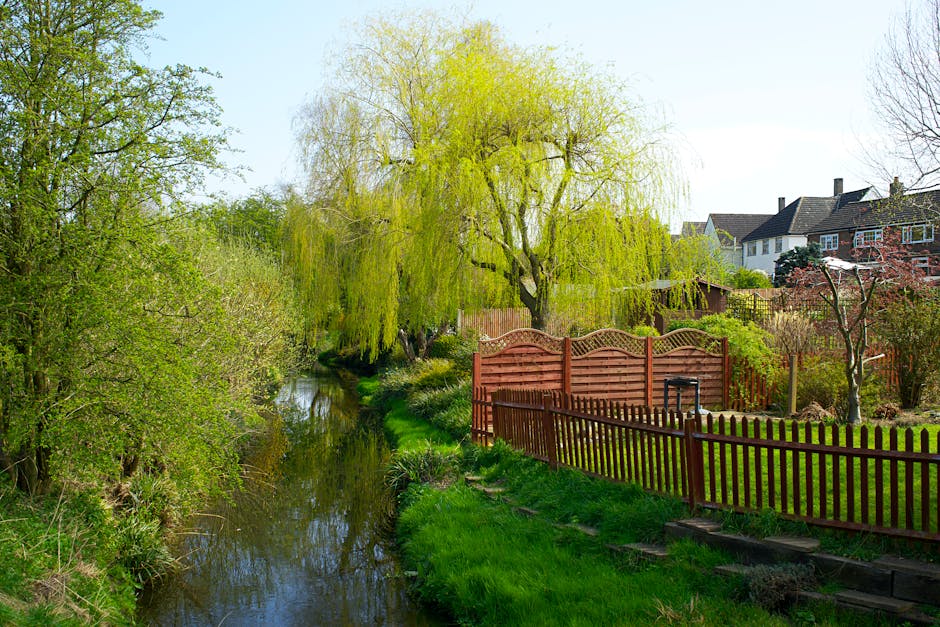
Foots Cray Meadows garden maintenance tips for Sidcup homes
If you live in Sidcup, you already know the local garden story: one week it feels lush and settled, the next it's damp, leafy, and somehow three inches taller than you expected. Foots Cray Meadows garden maintenance tips for Sidcup homes are useful because the same nearby landscape that makes the area feel green and open also hints at what your own garden will need to handle-shade, moisture, growth surges, and the occasional bit of seasonal chaos. This guide breaks down what to do, when to do it, and how to keep a garden looking cared for without turning every weekend into a battle with the hedge trimmer.
Whether your outdoor space is a compact family garden, a long back plot, or something that gets ignored between school runs and work, you'll find practical steps here. And yes, a few bits of local common sense too. Let's face it, most gardens don't need perfection. They need consistency.
Table of Contents
- Why these maintenance tips matter in Sidcup
- How the approach works in practice
- Key benefits and practical advantages
- Who this is for and when it makes sense
- Step-by-step guidance
- Expert tips for better results
- Common mistakes to avoid
- Tools, resources and recommendations
- Law, compliance, standards and best practice
- Options, methods and comparison
- Case study or real-world example
- Practical checklist
- Conclusion
- Frequently asked questions
Why Foots Cray Meadows garden maintenance tips for Sidcup homes Matters
Foots Cray Meadows is one of those local green spaces that reminds you what healthy vegetation looks like when it's left to thrive. Beautiful, yes. But also a useful warning. Grass grows fast, shrubs spread, hedges lean, and damp corners stay damp if nobody deals with them. Sidcup homes often sit in a mix of established streets, mature planting, and varied soil conditions, so garden maintenance needs to be steady rather than dramatic.
That matters for several reasons. First, neglected gardens tend to create knock-on problems: blocked drains from leaf fall, slippery paths, poor airflow around plants, and tired-looking lawns that become more work later. Second, a well-kept garden supports how the whole property feels. You notice it when you step outside in the morning and the space looks calm instead of slightly defeated. Small win, but it counts.
There's also the practical side. Regular attention usually costs less effort than rescue work. It is easier to trim a hedge lightly three or four times a year than to tame a woody monster that has decided your fence line is optional. If you want a broader view of service options, the services overview is a useful place to understand how different garden tasks fit together.
Expert summary: in a Sidcup garden, consistency beats intensity. Tidy little actions performed regularly tend to prevent the bigger, messier jobs that arrive all at once.
How Foots Cray Meadows garden maintenance tips for Sidcup homes Works
The maintenance approach is simple in theory: match tasks to the season, the weather, and the type of garden you have. In practice, the trick is knowing what to prioritise first. A lawn that needs mowing, a hedge that's blocking light, and a border full of weeds all feel urgent. They are not equally urgent, though.
Start with structure. Hedges, shrubs, and overhanging branches affect light, airflow, privacy, and access. Then move to surface care: mowing, edging, leaf clearance, and weeding. After that comes detailing: deadheading, feeding, mulching, and checking whether the soil actually needs attention instead of just more water because it looks thirsty at 4 p.m. on a sunny day. Gardens can be dramatic like that.
In a place like Sidcup, nearby natural greenery can make pests, moss, and moisture-related issues more noticeable in spring and autumn. That doesn't mean your garden is hard to manage. It just means the rhythm matters. Keep things moving. Little and often is the magic phrase, even if it sounds a bit too sensible.
If you need help with the heavier jobs, the page for garden maintenance support explains the sort of ongoing care that keeps things under control without overcomplicating the whole business.
Key Benefits and Practical Advantages
Good garden maintenance does more than make the place look neat. It changes how the outdoor space works.
- Healthier plants: trimming, feeding, and clearing debris allows shrubs and borders to recover properly.
- Better lawn condition: consistent mowing and seasonal care reduce patchiness and moss build-up.
- Safer access: fewer slippery leaves, fewer hidden edges, and less chance of clipping a shin on an overgrown border.
- More usable space: patios, paths, and seating areas feel inviting when they are not half-swallowed by growth.
- Improved kerb appeal: even a modest front garden looks sharper with basic upkeep.
- Less catch-up work: you avoid those frustrating weekend marathons where everything is overdue at once.
There's a quieter benefit too: maintenance reduces decision fatigue. When the garden is under control, you can actually enjoy it. You sit down. You hear the birds. You stop thinking about the ivy for five minutes. That's not nothing.
For properties with heavy pruning needs or boundary growth, hedge trimming services can be a practical way to keep shapes tidy and growth manageable through the year.
Who This Is For and When It Makes Sense
This advice suits a few different Sidcup homeowners. If any of these sound familiar, you're in the right place.
- Busy households: families who need low-fuss maintenance that fits around everything else.
- New homeowners: people inheriting a garden that looks fine from the kitchen window but needs a plan.
- Older properties: gardens with mature planting, larger hedges, or long-established borders.
- Rental or investment properties: spaces that need to stay presentable without becoming costly.
- People planning to sell: gardens that need quick visual improvement before viewings.
- Anyone near leafier surroundings: homes where seasonal debris and growth are always part of the picture.
It also makes sense when you feel the garden is slipping one small step at a time. Not a disaster. Just not quite right. That's often the best moment to act, before things become awkwardly tough to reverse.
If the outdoor space has become more clutter than garden, a garden clearance service may be the sensible reset before regular maintenance starts.
Step-by-Step Guidance
1. Walk the garden with fresh eyes
Start by looking for obvious issues: overgrown hedges, weed patches, mossy paving, dead plants, broken edging, and areas that collect standing water. Do this slowly. It sounds basic, but a ten-minute walk-through often reveals more than an hour of random tidying.
2. Cut back what is blocking light or airflow
Dense growth is one of the first things to deal with. If light cannot move through the garden, lawns and borders struggle. Trim shrubs lightly rather than hacking them hard, unless they genuinely need a reset. In the wrong hands, a quick trim can turn into a very lopsided haircut. We've all seen it.
3. Mow the lawn properly, not just quickly
Regular mowing is one of the easiest ways to improve the look of a garden, but it works best when the grass is not cut too short. Keep blades sharp, avoid mowing very wet grass, and vary the cutting direction now and then. If the lawn is patchy, let it recover rather than forcing a heavy cut every week.
For homeowners who want a reliable routine, lawn mowing support can keep the grass at a consistent height and make the whole space feel more settled.
4. Deal with weeds before they spread
Pull weeds when the soil is moist and roots release more easily. Focus first on paths, borders, and around young plants. A little patience here saves a lot of aggravation later. If you wait too long, the job becomes less gardening and more archaeology.
5. Clear leaves and debris regularly
Leaves are lovely until they sit in damp piles. They can smother grass, make paths slippery, and create hiding places for pests. Sweep them from hard surfaces and remove them from borders where they trap too much moisture.
6. Feed, mulch, and water thoughtfully
Use compost or mulch to support soil structure and help retain moisture. Water deeply rather than just giving plants a quick splash. In dry spells, aim for consistent watering rather than irregular overcompensation. Plants prefer a rhythm. They're oddly fussy like that.
7. Check fences, fixtures, and hard landscaping
Maintenance is not only about plants. Look at gravel, paving, edging, raised beds, and timber features. Small repairs make a big difference. If you have timber structures or seating areas, the condition of your decking services area matters too, because slippery or damaged surfaces can spoil the garden's usability.
8. Review the garden monthly
Once the main tasks are done, set a recurring review. Monthly is enough for most homes. You are checking for what's changed, not starting from scratch every time. That shift in mindset is what keeps maintenance manageable.
Expert Tips for Better Results
Here's the practical stuff that tends to make the biggest difference, the kind of detail people often skip until they've learned the hard way.
- Trim lightly and often: frequent, smaller cuts are usually kinder to hedges and shrubs than one big cut after months of neglect.
- Respect wet ground: avoid compacting soil or walking repeatedly over saturated borders. A few wrong steps can undo decent work.
- Keep tools clean: clean blades cut better and lower the risk of spreading disease between plants.
- Watch for shade changes: a tree or hedge that was fine in spring can suddenly make a bed darker than expected in midsummer.
- Use containers strategically: if a section of the garden is awkward, pots can add colour without adding too much labour.
- Don't chase perfection: a garden should look cared for, not clinically edited.
One thing we'd stress: if you notice repeated problems in the same area, treat the cause rather than the symptom. A constantly wet patch might need drainage improvement, not just more sweeping. A weak border might need redesign. That's where broader landscape gardening input can be worth considering.
And if there's a section of the garden that has simply outgrown your plans, it may be easier to rethink it than to keep fighting it. Sometimes the honest answer is, "this bit needs proper work." Fair enough.
Common Mistakes to Avoid
Most garden problems don't begin as disasters. They start as small habits.
- Cutting too much at once: removing too much growth in one go can shock plants and leave hedges looking patchy.
- Ignoring the edges: a tidy centre with messy borders still reads as neglected.
- Overwatering: wet roots do not mean healthy roots. Too much water can be just as troublesome as too little.
- Leaving clearance jobs too long: once debris piles up, the garden feels harder to start.
- Using the wrong tool for the job: the wrong mower height or blunt shears create more problems than they solve.
- Focusing only on visible bits: behind sheds, along fences, and under shrubs need attention too.
Another easy mistake is trying to do every task in one exhausted burst. You'll get more done by spacing things out. Short sessions are not glamorous, but they work.
If a garden has become so cluttered that routine tidying no longer helps, it may be time to combine regular care with a larger reset through garden clearance support.
Tools, Resources and Recommendations
You do not need a shed full of specialist kit to keep a Sidcup garden under control. A sensible small toolkit usually does the job.
| Tool or resource | Best use | Why it helps |
|---|---|---|
| Hand shears | Light trimming and shaping | Good for detail work without overcutting |
| Hedge trimmer | Faster boundary and hedge maintenance | Saves time on larger growth |
| Rake or leaf blower | Leaf and debris clearance | Keeps lawns and paths usable |
| Spade and hand fork | Border work and soil care | Helps with planting and weeding |
| Watering can or hose | Targeted watering | Useful during dry spells |
| Mulch or compost | Feeding and moisture retention | Improves soil over time |
Useful resources also include a written seasonal plan and a realistic list of tasks. Nothing fancy. Just a note on what gets done in spring, summer, autumn, and winter. It sounds a bit old-fashioned, but it stops jobs from being forgotten for half a year.
If you prefer to outsource part of the work, the site's pricing and quotes information can help you decide what level of support fits your budget and your garden's actual needs.
For larger vegetation or boundary issues, especially where safety is a concern, tree lopping and removal may be necessary. That's not a DIY decision for everyone, to be fair.
Law, Compliance, Standards and Best Practice
Most routine garden maintenance is straightforward, but there are still sensible UK best practices to keep in mind. If you trim hedges, cut trees, or work near shared boundaries, it helps to be aware of property lines, neighbour relationships, and the risk of damaging structures or roots. When in doubt, pause and check before making a cut you might regret.
Safety matters too. Use ladders carefully, wear gloves and protective eyewear when needed, and avoid taking on jobs that are clearly beyond your comfort level. A wet patio, a heavy branch, and an overconfident afternoon do not make a great combination. If work involves elevated or risky tasks, professional help is usually the safer route.
Where waste is involved, think about responsible disposal and recycling. Green waste can often be separated from general rubbish, and it's better practice to keep garden waste out of mixed household bins whenever possible. If you're looking for a company that thinks carefully about disposal and lower-impact methods, recycling and sustainability is worth reviewing.
It's also sensible to understand how any service is delivered, how payments work, and what terms apply before booking. The pages on insurance and safety, payment and security, and terms and conditions help build confidence before work starts. If you need more background on the company itself, the about us page is a sensible next stop.
Options, Methods and Comparison Table
Different homes need different levels of maintenance. A tiny courtyard and a long family garden are not the same job, and that's before weather, pets, and plant choice enter the chat.
| Approach | Best for | Strengths | Limitations |
|---|---|---|---|
| DIY weekly upkeep | Smaller gardens or confident homeowners | Low direct cost, flexible timing | Can slip if life gets busy |
| Monthly professional support | Medium gardens needing steady care | Reliable, tidy, less stressful | Requires a budget |
| Seasonal tidy and reset | Overgrown or neglected spaces | Fast visible improvement | Doesn't prevent future build-up on its own |
| Full garden redesign plus maintenance | Gardens with recurring problem areas | Solves structural issues and improves layout | More planning and investment needed |
If you mostly need regular mowing, edging, and general tidying, steady maintenance is usually enough. If the layout is awkward or the garden never quite settles, a redesign through landscaping may create a better long-term result.
Case Study or Real-World Example
Imagine a typical Sidcup semi with a small front garden, a long back lawn, and two hedges that have been quietly expanding for months. Nothing extreme. Just the kind of place where work and weather keep winning against gardening intentions. By late autumn, the path is leaf-strewn, the lawn has gone soft and uneven, and the side return feels narrower than it should.
The first move is not to do everything at once. Start with clearance. Remove fallen leaves, cut back the hedge enough to let light through, and reduce the lawn to a sensible height. Then review the borders. A few weeds and dead stems come out, the edges are defined, and the back area suddenly reads as usable again. It still needs attention, of course, but it no longer feels like a problem.
That's the real value of good maintenance. It changes the emotional temperature of the garden. One day you avoid it. A week later, you want to sit out with a cup of tea while the air smells damp and green. Small difference, big effect.
Practical Checklist
Use this as a simple run-through before you finish a maintenance session.
- Check hedge height and shape
- Mow the lawn at the right cutting height
- Remove weeds from borders and paths
- Clear leaves, twigs, and debris
- Inspect for damaged fencing or edging
- Water plants only where needed
- Feed or mulch if the season calls for it
- Look for moss, drainage issues, or standing water
- Clean and store tools properly
- Note anything that needs a bigger job later
If you can complete that list without feeling wiped out, you're probably maintaining the garden well enough. If not, that's useful information too. It tells you the workload may need to be shared out or supported professionally.
Conclusion
Foots Cray Meadows garden maintenance tips for Sidcup homes come down to one simple idea: work with the local conditions rather than fighting them. Keep growth steady, clear debris regularly, pay attention to light and drainage, and deal with the small jobs before they grow teeth. That approach is easier, cheaper, and far less annoying than waiting for everything to get out of hand.
For many Sidcup homeowners, the goal is not a magazine-perfect outdoor space. It's a garden that feels calm, usable, and looked after. Honest enough, really. If you maintain the structure, support the plants, and stay ahead of seasonal mess, the whole place becomes easier to live with.
Get a free quote today and see how much you can save.
And if you're still deciding what level of help makes sense, take your time. A well-kept garden has a way of rewarding patience, one tidy corner at a time.
Frequently Asked Questions
How often should I maintain a garden in Sidcup?
Most Sidcup gardens benefit from small weekly checks and a deeper monthly tidy. During spring and early summer, growth can speed up, so you may need to mow, trim, or weed more often.
What is the best time of year for garden clearance?
Garden clearance can be useful any time a space becomes cluttered, but many homeowners choose autumn or early spring. Those seasons often reveal what needs cutting back, removing, or resetting.
Do I need professional help for hedge trimming?
Not always. Small hedges can often be managed by homeowners, but taller, denser, or boundary-related hedges may be easier and safer with professional help. If access is awkward, that's usually a good sign to call in support.
What should I do with leaves from nearby trees?
Clear them regularly from lawns, patios, and paths so they do not become slippery or smother grass. Many gardeners also separate green waste from other garden debris where practical.
How do I stop my lawn from looking patchy?
Mow at the right height, avoid cutting too short, water thoughtfully in dry periods, and keep moss and weeds under control. If the patchiness is severe, the issue may be soil condition rather than mowing alone.
Is landscaping worth it for a small Sidcup garden?
Yes, if the layout is awkward or the space is hard to maintain. Good landscaping can make a small garden easier to use and easier to care for, not just prettier.
What's the difference between garden maintenance and garden clearance?
Garden maintenance is ongoing care such as mowing, trimming, weeding, and tidying. Garden clearance is a bigger reset job for overgrown, cluttered, or neglected spaces.
Can regular maintenance improve property value?
It can improve presentation and first impressions, which matters if you plan to sell or let the property. A neat garden supports the overall feel of the home even when the house itself is the main focus.
Are there safety issues I should watch for when doing garden work?
Yes. Wet surfaces, heavy branches, ladders, and sharp tools all need care. If a task feels unsafe or requires awkward access, it is usually better to get help rather than push through.
What tools do I actually need for basic maintenance?
A few essentials go a long way: hand shears, a mower, gloves, a rake, a spade, and a watering tool. For larger or more technical work, you may need specialist equipment or professional support.
How do I know when my garden needs a bigger overhaul?
If the same issues keep returning, such as pooling water, constant weed growth, or a layout that never feels practical, a bigger overhaul may be sensible. Sometimes the garden is asking for structure, not just more effort.
Can I combine maintenance with other services?
Absolutely. Many homeowners combine ongoing garden care with hedge work, clearance, or larger improvements. If you want a broader picture of available help, the services overview is a useful starting point.