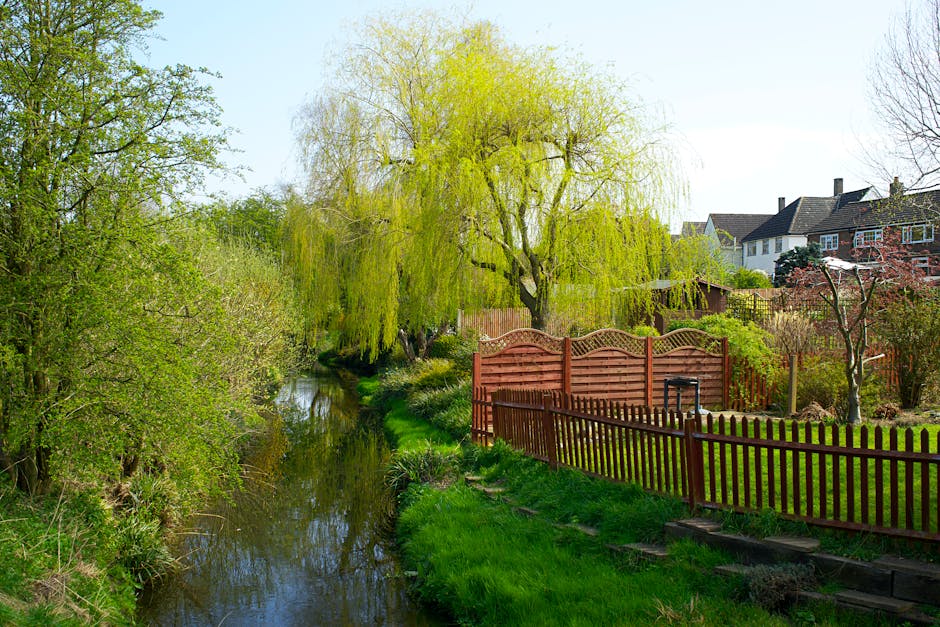
Gardening Services in Sidcup for regular upkeep, tidy outdoor spaces and practical garden improvements

Our gardening services in Sidcup are designed to keep domestic and commercial outdoor areas neat, workable and well cared for across the seasons. We focus on practical tasks such as routine maintenance, one-off clearance, hedge work, lawn care and wider garden improvements, always adapting the visit to the condition of the space and the results you want. If you need a dependable way to manage an overgrown plot, a front garden that has lost its shape, or a back garden that needs a clearer structure, our service is set up to handle the job carefully and efficiently.
Good garden work is rarely about a single dramatic change. It is usually a combination of sensible cutting, clearing, tidying and planning that leaves the area easier to enjoy and simpler to maintain. That may mean restoring edges, reducing tangled growth, improving access, or preparing ground for later planting or landscaping. We aim to provide a straightforward service that suits the size and condition of the garden rather than forcing every job into the same pattern. Clear results, sensible timing and tidy workmanship matter just as much as the final appearance.
To discuss the work you need and request a quotation, speak to us in plain terms about the garden’s condition and the outcome you want. If a site has awkward access, dense growth or a mix of different tasks, it helps to mention that early so the work can be planned properly. Contact us when you are ready to take the next step.
Regular garden maintenance and seasonal upkeep
Regular maintenance is the best way to stop small jobs becoming larger and more disruptive. Our garden maintenance service can cover the steady tasks that keep outdoor spaces looking orderly: mowing, trimming, edging, light weeding, leaf clearance and general tidying. Many gardens benefit from a simple routine that respects the planting already in place while preventing the space from becoming uneven or neglected. This is especially useful where the garden needs to stay presentable without a full redesign or major intervention.
Seasonal work can be just as important as weekly or fortnightly upkeep. In one part of the year that may mean keeping lawns under control and managing quick growth; in another it may mean removing debris, dealing with fading borders or preparing the space for the next phase of planting. We work in a way that keeps the garden manageable without overcomplicating the process. Maintenance is often the most cost-effective form of care because it supports the shape and condition of the garden before larger issues develop.
Useful maintenance tasks often include:
- grass cutting and border edging
- deadheading and light pruning where appropriate
- leaf and debris collection
- simple clearance of small clippings and waste
- tidying paths, borders and visible growing areas
Lawns, hedges and the details that shape a neat finish

Lawns and hedges often define how a garden feels at a glance, so these elements deserve careful attention. Our lawn mowing service focuses on achieving an even cut with sensible finishing around edges, paths and borders, while our hedge trimming work is aimed at restoring shape, controlling spread and keeping growth within a manageable outline. These are not isolated chores; they are the features that set the tone for the whole outdoor space and help the rest of the garden look intentional rather than patchy.
There is a real difference between a quick cut and work that improves the appearance of the whole area. A mower can reduce height, but proper attention to edges, corners and awkward turns helps the lawn look finished rather than simply shortened. Similarly, hedges may need more than a light trim if they have grown unevenly or begun to block light and access. We take the condition of each feature into account so the work is suitable for the plant and the garden around it, not just the quickest visible change.
Where helpful, we can combine trimming and mowing into one visit so the main visible surfaces of the garden are brought back into balance together. That approach is often useful when an overgrown hedge has shed debris onto the lawn, or when grass, borders and boundary planting all need a coordinated tidy. If you are unsure whether a hedge needs shaping, reducing or simply tidying, a clear description of its current size and condition will help us prepare the right approach.
Garden clearance for overgrown spaces and unwanted waste
Garden clearance is often the right starting point when a space has become difficult to use or maintain. That might involve clearing dense growth, removing built-up debris, reducing the spread of brambles or cutting back areas that have been left untouched for some time. The aim is to make the garden accessible again while handling the material in a controlled and orderly way. Clearance work can also create the practical foundation for later maintenance or landscaping, especially where the existing layout has been obscured.
Because every clearance job is different, the work is usually shaped by what is actually present rather than by a standard checklist. Some gardens need mainly cutting and collecting; others need more patient clearing around borders, fences or sheds. We pay attention to what should be removed, what can be retained and what needs to be left undisturbed so the site is treated with care. That is especially important when working around established plants, hard landscaping, storage areas or narrow access routes.
Garden clearance can be especially useful after a period of neglect, when buying or preparing a property, or when a garden has simply outgrown the time available to maintain it. A sensible clearance can restore structure without stripping the space bare. If you want the area opened up, made safer to move through or brought back to a cleaner baseline, this is often the most direct route.
Landscape gardening and practical garden improvements

Landscape gardening is where maintenance and design begin to meet. It includes work that changes how a garden functions as well as how it looks, whether that means redefining borders, improving the flow between lawn and planting, or introducing features that make the outdoor area easier to enjoy. The most effective landscape work usually starts with the current layout and asks what should be kept, what should be simplified and what should be improved for long-term use. It is about sensible decisions as much as visual change.
Some gardens need only modest adjustments to feel far more usable. A clearer path line, better proportion around planting beds, tidier boundaries or a more coherent lawn shape can transform the space without demanding a full rebuild. In other cases, a more involved landscape gardening project may be suitable, particularly where the garden has become uneven, difficult to navigate or poorly organised. We approach these changes with practical care, aiming for work that makes everyday use easier while still respecting the character of the space.
Landscape gardening is a good fit when you want more than routine upkeep but do not need to start from scratch. It may be the right choice for improving structure, reworking neglected sections or making a garden feel better balanced. If you have ideas for a reshaped outdoor area but are not sure how to turn them into a workable plan, it is worth beginning with a conversation about priorities and available space.
Preparing a quotation and understanding the main factors
A sensible quotation depends on the actual work involved, not on a generic category name. Garden size, the amount of growth present, access around the site, disposal needs and whether the job is routine or restorative can all affect how the work is priced and scheduled. For that reason, it is useful to describe the garden in straightforward terms. Mention the main issue, the features that matter most, and anything that could affect time on site, such as narrow access, steep sections or areas that need to remain untouched.
If you are planning more than one task, it often helps to group them together before you ask for a price. For example, mowing, hedge trimming and clearance can sometimes be approached in one visit, while larger projects may be better split into stages. We can then quote for the scope that matters to you rather than for a vague idea of garden work in general. Clear information leads to a clearer quotation, and it also helps reduce back-and-forth later on.
If you are ready to move forward, pricing and quotes may help you think through the next step before you make contact. In many cases, the most useful starting point is simply a short description of the garden and what you want changed. From there, the job can be shaped into something practical and manageable.
About Sidcup
Sidcup is a district in south-east London within the London Borough of Bexley, positioned close to the boundary with Bromley and Kent. It developed from a historic village setting into a suburban area shaped by rail links, local shopping streets and residential growth during the nineteenth and twentieth centuries. The name appears in records from much earlier periods, but the place is now best known as a settled suburban centre rather than a separate rural settlement. Its transport connections have long been significant, especially the railway station on the Bexleyheath Line, which links the area with central London and neighbouring districts. That connection helped drive gradual suburban expansion, with new housing estates, local services and community facilities following in stages over time.
Tree work, boundary growth and larger outdoor changes

Some gardens require more than mowing or trimming. Trees, tall shrubs and thick boundary growth can change the amount of light, the sense of space and the safety of access through the garden. Our tree lopping and removal work is suited to situations where growth is becoming too dominant, where branches need to be reduced or where an unwanted tree is affecting the use of the site. This work must be handled carefully because each tree has its own form, condition and relationship to nearby structures, fences and planting.
Where tree work is needed, the main aim is usually to restore control without creating unnecessary damage or leaving the garden looking stripped back in an uneven way. That may mean reducing a canopy, removing problematic sections or clearing material that has become difficult to manage. We also consider how the work affects the rest of the garden, because cutting one area can change the light, shelter and layout elsewhere. The best result is one that fits the wider space rather than treating the tree in isolation.
Tree lopping and removal can be a practical solution when growth has outpaced the available space or when a tree is preventing other parts of the garden from being used properly. If a larger change is needed, we can discuss how that fits alongside maintenance or clearance so the garden remains coherent after the work is complete.
Garden and landscape projects built around the space you have
Not every outdoor area needs the same type of intervention. A small enclosed garden may benefit from careful tidying and more efficient use of borders, while a larger plot may be better served by coordinated work that combines maintenance with wider changes. Our landscaping and garden work is shaped around the space itself, the features already in place and the outcome you want to achieve. That can include hard and soft elements working together in a way that makes the garden easier to use and easier to maintain.
When planning this kind of project, it helps to think about the main issue first: is the space too cluttered, too difficult to manage, too open, or simply not arranged in a helpful way? From there, the right solution can be chosen. Some customers want a cleaner, more formal finish; others want a softer, more planted feel. We can support either direction where it fits the site, keeping the practical side of the work in view so the garden remains realistic to look after.
Landscaping can support both structural and visual improvements, from reshaping sections of the garden to bringing different elements into better proportion. It is often most effective when there is already a clear sense of what should be improved, even if the exact method still needs to be worked out. A focused plan helps the work stay efficient and consistent.
Garden care that supports long-term presentation

Long-term garden presentation depends on consistency. Even a well-designed space can quickly look tired if the edges are left rough, the lawn is uneven or the planting begins to spread unchecked. Our garden maintenance and clearance services are therefore useful not only when problems are obvious, but also when you want to keep the outdoor area in steady condition through the year. Small, regular decisions often do more for the finished appearance than one large intervention done too late.
We also recognise that garden work often needs to be balanced with the rest of the property. Access routes, parking space, adjacent fences, sheds, patios and planted areas all influence how a job is approached. That is why it helps to give a brief outline of the site and the kind of result you want. If the work is mainly tidying, that can be kept straightforward; if it involves several stages, it can be planned so the most important areas are tackled first. To request a quotation, send a clear description of the garden and the tasks you want covered.
For more detail on the wider range of work available, you may also wish to look at services overview. When you are ready, the easiest next step is to make contact and explain what needs attention. We can then help shape the right combination of gardening services for the space.